01
One reliable weapon
Choose a route that matches your preferred range and play it long enough to learn the fights. Start with the current in-game cost, not an old guide.
Free-to-play route
A F2P route should make each purchase answer a real gameplay problem. Prioritize a stable weapon and useful utility before chasing cases, cosmetics, or duplicate specialist builds.
Choose a route that matches your preferred range and play it long enough to learn the fights. Start with the current in-game cost, not an old guide.
Movement, defense, recovery, or reload utility is easier to value than a flashy ability you cannot time yet.
Pick a backup that helps when your primary loses its ideal range. Avoid building three unrelated specialist routes at once.
Buy style after your core route works. A cosmetic should be a deliberate choice, not an accidental substitute for a weapon unlock.
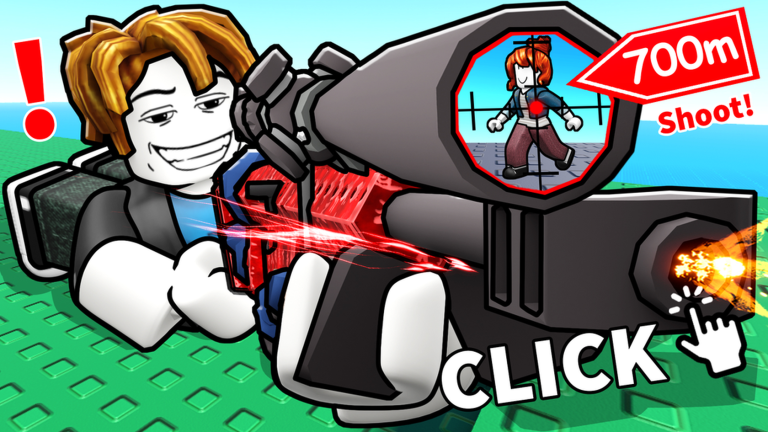
A sustainable free route
Free-to-play progression works best when every purchase has a job. Your first weapon should let you understand a normal fight instead of forcing a narrow trick. A balanced rifle can teach tracking and cover; an SMG can teach entry and reset; a shotgun can teach route discipline; a sniper can teach patience and sightline control. None of these roles is automatically the correct first choice, so use the weapon that makes your actual fights easiest to read.
After the weapon, choose one ability that solves a repeated problem. If you die while crossing open ground, movement or defensive utility may help. If you win one fight and lose the next while reloading, reload or recovery support may be more useful. If you keep entering a bad angle, buying a stronger ability will not fix the route. Spend when you can name the problem, not because a rare item appears in a shop or a community post calls it meta.
Codes and normal match rewards can extend your testing budget, but they should not determine your entire plan. Check the Codes page before a session, verify each reward inside the game, and then spend only after you know which route you want to try. Save enough currency to finish one useful build before opening a new branch. Owning four half-tested weapons creates less progress than learning one weapon deeply.
Players disagree about whether premium cases or abilities feel pay-to-win. That debate is useful because it tells us where new players feel uncertain, but it is not a substitute for measured comparisons. Judge your own matches, separate cosmetic rarity from combat performance, and remember that the live game screen controls current costs and availability. A clear F2P plan is not about refusing every premium item; it is about making sure every purchase is deliberate.
Saving is easier when you define a finish line. For example, decide that the next goal is one reliable primary and one ability that supports it. Keep playing that route until you can explain what it does well and where it fails. Only then open a second branch. This turns currency into a controlled experiment instead of a reaction to every new item you see.
F2P players should also value information. A code that works, an item that is actually tradeable, or a control setting that removes a recurring mistake can be more useful than a rare purchase made without a plan. Use the site to narrow the decision, then confirm the current result in Hypershot. The goal is steady improvement with fewer regret purchases.
If you eventually choose to buy a premium item, apply the same rule. Know whether you are buying a guaranteed item, a chance at an item, or a cosmetic expression of a route you already enjoy. Set a spending limit before opening a case and do not treat a previous purchase as a reason to spend again. A disciplined player can enjoy optional content without letting a limited currency budget control every decision.
A simple decision rule
If you keep dying while reloading, utility may help. If you cannot reach fights, movement may help. If you lose every long lane, change the fight distance before buying a new item.
Do not compare only rarity.
A rare item can be a poor first unlock if it is difficult to use or only works on one map route.
Before queue
Check reported codes and choose one route to test.
During matches
Track whether the problem is range, route, aim, or timing.
After matches
Spend only when the next unlock clearly helps the problem you observed.